
The Hidden Toxics in Menstrual Products
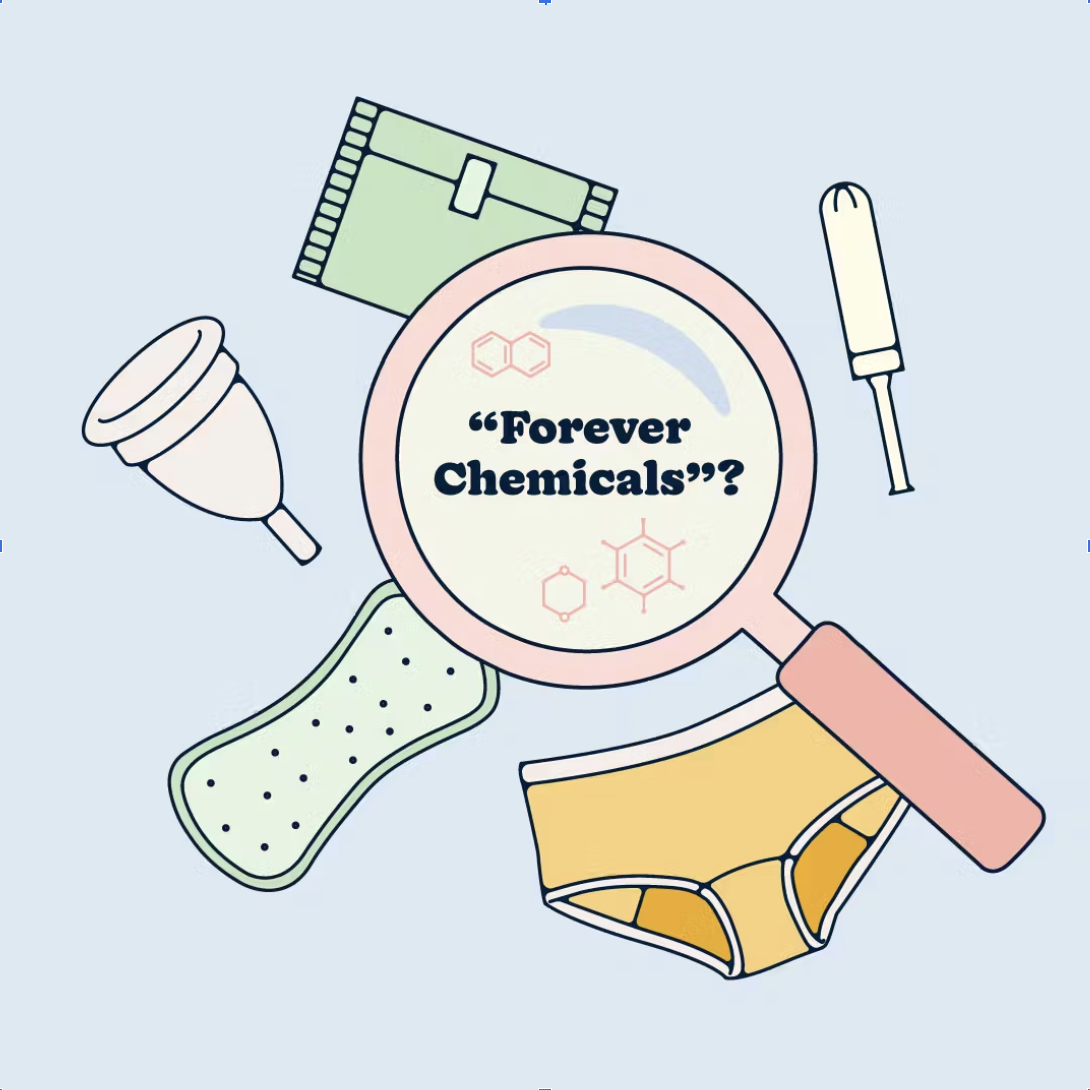
Month by month, there are millions of individuals using brand-name pads, tampons, and other menstrual products to manage one of the most important bodily functions of mankind, but you know something that is not thought about much? What goes into these products. This topic is truly crucial as when concerning one of the most absorbent areas of the human body, it is important to fully understand the materials and chemicals within these products as they can be easily transfused into the bloodstream. The lack of transparency surrounding this issue is evident, so the question must be answered: If we deserve safe and accessible menstrual products, what truly makes these products safe?
A main concern of these chemicals include “forever chemicals”, or PFAS, which is used to resist stains and leaks in menstrual products. Due to these chemicals for leak-proofing, PFAS can enter the bloodstream, which can affect disposable and reusable products. These chemicals are highly toxic and can cause massive damage as well. In addition to this, a study conducted by the National Center for Biotechnology Information showcases numerous chemicals such as “[p]hthalates, volatile organic compounds, parabens, environmental phenols, fragrance chemicals, dioxins and dioxin-like compounds” present in everyday menstrual products. Although there was a gap with a lack of research with newer menstrual products such as discs, it can be concluded that this path can lead to major impacts on reproductive health for millions of groups, which makes further research and exposure crucial for ensuring safety.
Specifying these chemicals is also important to reduce misinformation and increase reproductive health literacy. Phthalates stand as endocrine disrupting chemicals that thereby affect reproductive development while dioxins are frequent pollutants that can increase the risk of cancer along with disrupting hormonal regulations. As stated before, “forever chemicals” can contaminate water and therefore accumulate inside the body which also affects hormone regulation. Unnecessary fragrances can have combinations of these chemicals, along with other heavy metals not only impacting reproductive health, but can lead to neurological problems as well.
A lack of ingredients/ information along with the limited choices makes it difficult to receive agreeable solutions to these issues. However, there are still many ways to protect yourself: Choosing unscented fragrances, looking for ingredient transparency, and considering reusable products as well. Overall, information and action is key for menstrual health to be treated with the safety and respect it absolutely deserves.
Reference:
https://pubmed.ncbi.nlm.nih.gov/37743685/
https://www.yourdaye.com/en-us/vitals/womens-health/pfas-in-period-care/?srsltid=AfmBOorETeXUNOLAieuzKFXpQsILQDNBAK_6Ui1BVo56RHnz5M1JVz0N